


Key Takeaways
- Extreme fatigue is not a normal part of aging—it’s a signal your health needs attention
- Physical causes like thyroid changes, anemia, and medication side effects can quietly drain energy
- Loneliness, low mood, and a lack of routine are hidden but powerful drivers of fatigue
- Sleep habits, nutrition, and daily activity all play a bigger role in health than most people realize
- The right support system and community environment can genuinely shift how you feel day to day
When Tiredness Goes Beyond a Bad Night’s Sleep
You wake up after eight hours of sleep and still feel like you haven’t rested. You skip the afternoon walk not because you don’t want to go, but because your body just won’t cooperate. That kind of exhaustion is different from regular tiredness, and it deserves real attention.
Extreme fatigue in older adults often signals that something specific—physical, emotional, or environmental—is affecting your health. Small changes to your daily habits combined with the right support can make a meaningful difference.
When tiredness starts affecting your social connections, daily routines, or the simple joys you used to love, it’s worth asking why. At Juniper Village at Lebanon, our approach to senior living and personal care is built around helping you feel like yourself again—because you don’t have to accept low energy as just “part of getting older.”
What’s Actually Behind the Exhaustion
Physical Causes Worth Knowing
Sometimes the body is quietly working against your energy levels in ways that aren’t obvious. Thyroid imbalances, low iron, and vitamin D deficiency are three of the more common culprits—and they’re all very addressable once identified.
You might also notice that your heart and circulation don’t move oxygen through your body as efficiently as they once did, leaving you feeling winded after very little effort.
Medication is another piece of the puzzle that many people overlook. If you take multiple prescriptions, some combinations can cause fatigue as a side effect—even if each medication is doing its job.
A conversation with a healthcare provider about your current medication routine can sometimes reveal quick wins for your energy. Learning how aging affects the body and brain can help you connect the dots between physical changes and the exhaustion you’re feeling.
Emotional and Mental Factors
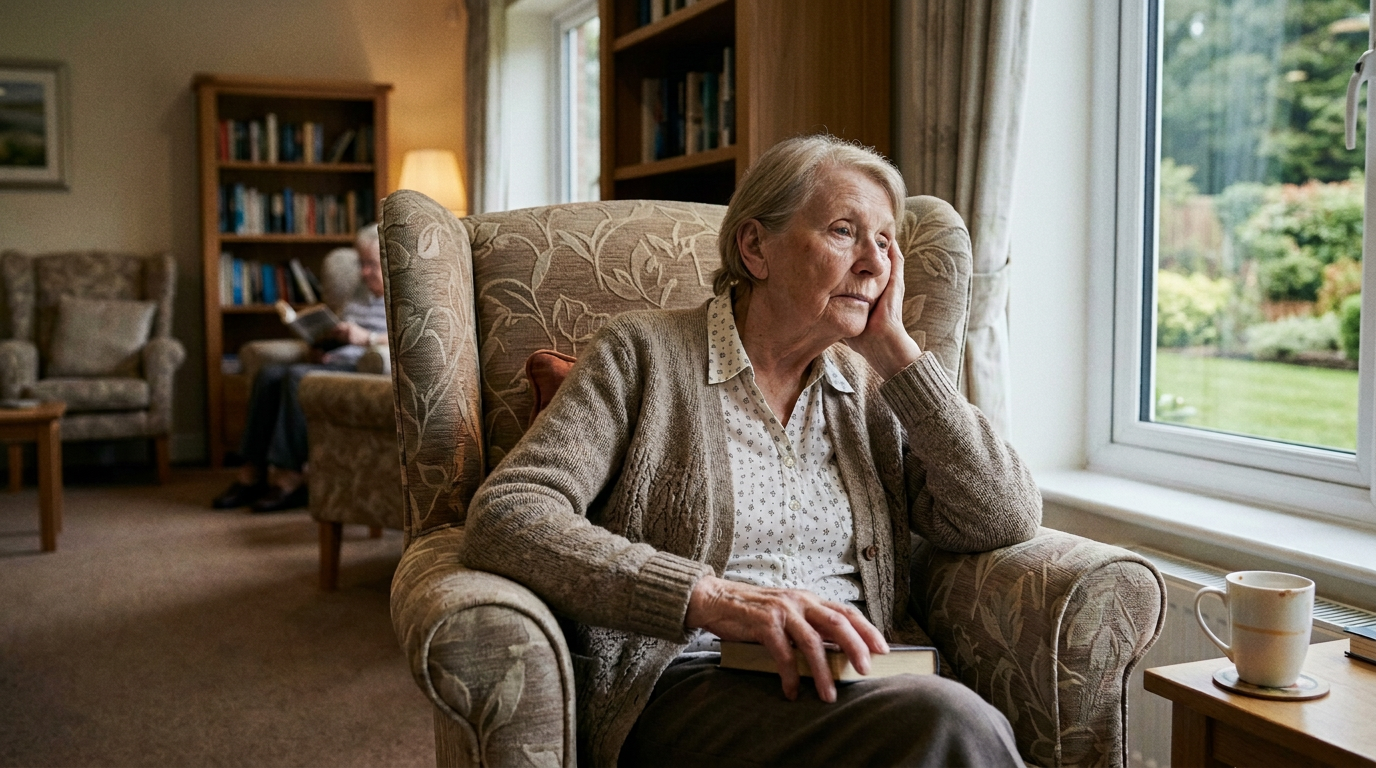
Loneliness is exhausting—genuinely, physically exhausting. When your days feel quiet and disconnected, your body and mind spend a lot of energy just coping with that absence of connection.
Social isolation can impact far more than your mood—it affects your physical health and stamina in real, measurable ways. Anxiety and low mood work the same way, humming in the background and using up your reserves before you’ve even started the day.
A lack of purpose or daily structure can quietly deepen fatigue. When the hours blur together without meaning, there’s little pulling you forward. That’s not a personal failing—it’s a very human response to an environment that isn’t fueling you.
How Lifestyle and Environment Play a Role
Poor sleep habits are one of the most underestimated energy drains.
Irregular sleep schedules, nighttime light exposure, or disrupted sleep from discomfort can all chip away at the deep, restorative rest your body needs. And when sleep suffers night after night, everything else feels harder.
Low activity levels create a tricky cycle—you feel tired, so you move less, and moving less makes you feel even more tired. Even gentle daily movement can help break that pattern.
Nutrition gaps add another layer. If your meals are missing key nutrients—protein, B vitamins, iron—your stamina and mood take a hit that you might not immediately connect to your plate.
- Inconsistent sleep schedules can prevent deep, restorative rest
- Sitting for long stretches lowers your overall energy over time
- Skipping meals or eating low-nutrient foods quietly chips away at stamina
- Dehydration—even mild—can show up as fatigue and brain fog
How the Right Support Can Shift Your Energy
Personalized Care That Fits Your Rhythm
Personal care and independent living aren’t one-size-fits-all—and they shouldn’t feel that way.
When a community tailors support to how you actually live, the small daily efforts that used to drain you start to feel manageable. That kind of personalized care frees up real energy for the things that light you up.
For those experiencing cognitive fatigue, structured days with familiar rhythms reduce mental strain. You’re not burning through your reserves just to navigate the unexpected. It’s about making daily life feel calmer, not more complicated.
Community, Connection, and Daily Joy
Social engagement can be a natural energy booster. A laugh over breakfast, a new friend at an afternoon activity, a conversation that surprises you—these moments fill your tank in ways that rest alone simply can’t.
Explore enrichment and engagement programs that can effortlessly build those moments into your day.
Structured days with room for spontaneity hit a sweet spot that’s hard to find on your own. When there’s something to look forward to—and the freedom to say yes or no—your days carry a natural forward momentum. That’s not just routine. That’s purpose.
A Fresh Look at What Feeling Good Can Be
Fatigue isn’t something you power through or quietly accept. It’s a signal—and often, it’s pointing toward something that can genuinely change. The right environment, the right support, and the right community around you can shift how you feel in real, lasting ways.
At Juniper Village at Lebanon, our approach to senior living centers around you as a whole person—your energy, your joy, and the life you want to keep living. Reach out to our team to learn how your next chapter can feel lighter, more connected, and more alive than you might expect.