


Key Takeaways
- Independence and safety can work together, not against each other.
- Simple home adjustments and technology can extend independence at home.
- When home support reaches its limits, senior living options offer personalized paths forward.
- The right community can expand your parent’s world, not shrink it.
A Safe Space for Independence
You want your parent to be safe. Your parent wants to live on their own terms. Those two things can feel like they’re pulling in opposite directions, and that tension is something many families know well. It can show up at the dinner table, in late-night phone calls, and in the quiet worries you carry throughout the day.
Independence and safety don’t have to be in conflict. With the right support, your parent can maintain the routines and activities they enjoy while having help when needed. A thoughtful care plan starts with understanding who your parent is and how they want to live. Learning when it’s time to transition to more support can help your family make informed decisions.
Signs Your Parent May Need More Support
Changes Worth Noticing
Sometimes the signs are obvious, like a fall or a missed doctor’s appointment. Other times, they’re quieter. You might notice the refrigerator sitting mostly empty, a stack of unopened mail on the counter, or your parent skipping the book club they used to love. These small shifts can add up.
Trouble keeping track of medications, forgetting to pay bills, or pulling back from friends and activities are all worth paying attention to. If you’re unsure whether certain memory changes are normal, it helps to understand the difference between typical forgetfulness and more serious memory concerns.
How to Start the Conversation
Bringing up care is rarely easy, but it goes better when you start early, before a situation gets urgent. A calm, curious conversation lands very differently than one prompted by a crisis. Try asking open questions like, “How are you feeling about things at home lately?” rather than leading with worry or solutions.
The most important thing is to keep your parent at the center of every decision. Their preferences, their routines, their sense of self, all of that matters. When they feel heard and included, the conversation becomes a collaboration instead of a confrontation.
Practical Ways to Support Independence at Home
Simple Home Adjustments
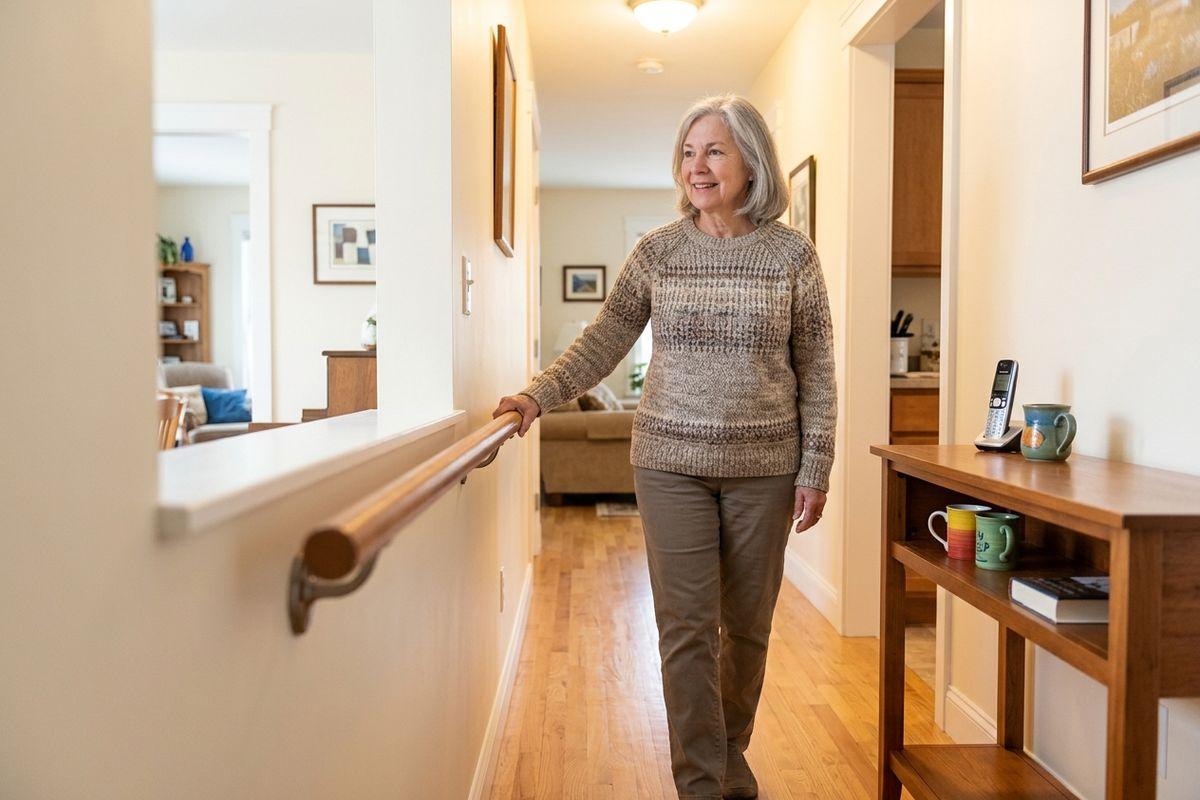
A few thoughtful changes around the house can make a big difference in how safely and comfortably your parent moves through their day. Grab bars in the bathroom, brighter lighting in hallways, and clear walkways free of rugs or clutter can reduce fall risk without making the space feel clinical or cold.
Think about where your parent spends most of their time and what they reach for most often. Moving frequently used items to easy-to-access shelves, keeping a phone within arm’s reach, and clearing pathways between rooms are small touches that quietly support the freedom to move around independently.
Smart Technology for Everyday Support
Today’s technology can offer a real safety net without feeling like constant surveillance. Wearable alert devices are discreet and can summon help quickly if your parent has a fall or feels unwell. Many are worn like a watch and require just a single button press.
Medication reminders through a smartphone or smart speaker can also take the pressure off your parent’s daily routine. Instead of juggling multiple pill bottles and schedules, a simple alert keeps things on track and gives you both a little peace of mind.
When Home Support is Not Enough
There may come a point when the combination of home adjustments, check-ins, and technology no longer covers what your parent needs day to day. When getting dressed, preparing meals, or moving around safely starts to feel like a struggle, it’s worth exploring what senior living options might look like.
Personal care and independent living are all different levels of care designed to meet different needs. The right fit depends entirely on your parent, their personality, their routines, and how they want to spend their days. A personalized care plan focuses on what matters most to your parent and the support they need to stay engaged in daily life.
Finding the Right Balance Together
There’s no single moment when the balance between independence and safety is perfectly set. Your parent’s needs will shift over time, and the approach that works today might need adjusting in a year or two. Checking in regularly and staying open to change is part of what it means to care well.
Imagine your parent waking up to a full calendar of activities, warm meals with neighbors they genuinely like, and care that adapts as their needs evolve. At Juniper Village at Lebanon, that’s exactly what the team works to create for every community member. Schedule a tour and start the conversation today.